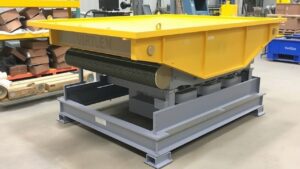
Maximizing Efficiency: The Role of Capacity Vibrating Screens in Modern Industries
In the competitive landscape of industrial processing, **capacity vibrating screens** have emerged as a pivotal technology, with studies indicating that companies can enhance their operational efficiency by up to 30% through optimized screening processes. This statistic underscores the critical role that these machines play in various sectors, from mining to food processing, where the need for precise material separation is paramount.
Understanding Capacity Vibrating Screens
At their core, capacity vibrating screens are designed to separate materials based on size and weight, utilizing a combination of vibration and gravity. These machines are essential in ensuring that the right materials are processed efficiently, which can significantly impact production timelines and costs. The effectiveness of a vibrating screen is often measured by its capacity, which refers to the volume of material it can process within a given timeframe.
The Mechanics Behind Capacity
The capacity of a vibrating screen is influenced by several factors, including:
- Screen Area: The larger the screen area, the higher the capacity. This is because a larger area allows for more material to be processed simultaneously.
- Material Characteristics: The size, shape, and density of the material being screened can affect how efficiently it passes through the screen.
- Vibration Frequency and Amplitude: The settings of the vibrating mechanism can be adjusted to optimize performance for different materials.
Understanding these factors is crucial for industries looking to maximize their output and minimize waste. For instance, a mining company that adjusts its vibrating screen settings based on the type of ore being processed can achieve a significant increase in throughput.
Industry Applications and Case Studies
Capacity vibrating screens are utilized across various industries, each with unique requirements and challenges. A notable example can be found in the **mining sector**, where a leading gold mining company implemented a new vibrating screen system that increased their processing capacity by 25%. This upgrade not only improved their operational efficiency but also reduced the overall cost per ton of processed material.
In this case, the company faced challenges with their existing screening equipment, which was unable to handle the increased volume of material due to a recent expansion in mining operations. By investing in a high-capacity vibrating screen, they were able to:
- Enhance the separation of fine gold particles from waste material.
- Reduce downtime associated with equipment failure.
- Improve overall recovery rates, leading to a 15% increase in gold yield.
This case illustrates the tangible benefits that can be achieved through the strategic use of capacity vibrating screens, highlighting the importance of selecting the right equipment for specific operational needs.
Trends Shaping the Future of Capacity Vibrating Screens
As industries evolve, so too do the technologies that support them. The following trends are shaping the future of capacity vibrating screens:
- Automation and Smart Technology: The integration of IoT (Internet of Things) technology allows for real-time monitoring and adjustments, optimizing performance and reducing human error.
- Energy Efficiency: With rising energy costs, manufacturers are focusing on developing screens that consume less power while maintaining high performance levels.
- Customizable Solutions: As industries become more specialized, the demand for customizable vibrating screens that can be tailored to specific material types and processing needs is increasing.
According to industry estimates, the market for vibrating screens is expected to grow at a CAGR of 5.2% over the next five years, driven by these trends and the ongoing need for efficient material processing solutions.
Choosing the Right Capacity Vibrating Screen
Selecting the appropriate capacity vibrating screen involves a thorough understanding of both the operational requirements and the characteristics of the materials being processed. Key considerations include:
- Material Type: Different materials require different screening solutions. For example, fine powders may need a different screen design compared to coarse aggregates.
- Desired Output: Understanding the required throughput and separation efficiency is crucial in selecting the right screen size and type.
- Maintenance and Support: Opting for manufacturers that provide robust support and maintenance services can significantly reduce downtime and extend the lifespan of the equipment.
By carefully evaluating these factors, companies can ensure they invest in a capacity vibrating screen that meets their specific needs, ultimately leading to improved productivity and cost savings.
Conclusion: The Strategic Importance of Capacity Vibrating Screens
In conclusion, capacity vibrating screens are not merely a component of industrial processing; they are a strategic asset that can drive significant improvements in efficiency and productivity. As industries continue to face challenges related to material processing, the importance of investing in high-quality, high-capacity vibrating screens cannot be overstated. By leveraging the latest technologies and understanding the nuances of their operations, companies can position themselves for success in an increasingly competitive market.